


Welcome to 3-2-1 Tuesdays with Better Wellness Naturally- Fences with Gates: The Real Meaning of Boundaries

Thank you for joining us for 3-2-1 Tuesdays!
Quick bits of therapeutic info and learning, ideas, concepts, and quotes.
Brought to you by Better Wellness Naturally
3: Keys
2: Concepts
1: Quick Article
“Boundaries aren’t separation; they’re clarity.” — Nedra Glover Tawwab
3 Keys
Boundaries Teach Others How to Treat You
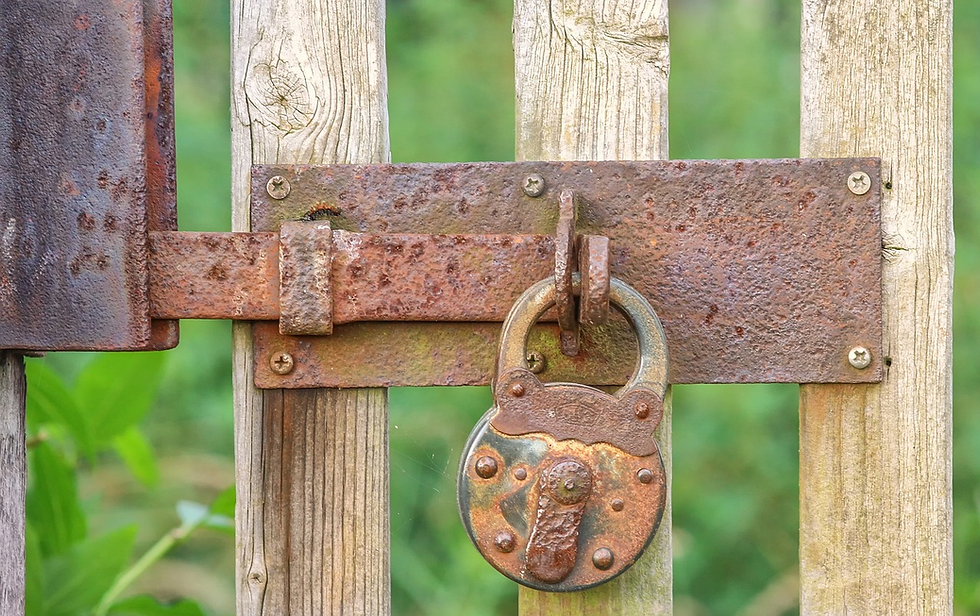
Boundaries aren’t walls; they’re directions. We also refer to them as “fences” within the practice at Better Wellness. When you say, “I need time to recharge,” or “I’m not available right now,” you’re giving people a clear map for how to stay in relationship with you in a healthy way. Boundaries are a necessity. and they also show others where respect begins.
A Real “Yes” Starts with a Solid “No”
When you keep trying—and please recall that ‘try’ implies premeditated failure— to be everything for everyone, you start disappearing in the process. Boundaries bring you back to yourself. They make sure your energy is spent where it matters, not where it’s expected. Saying “no” isn’t rejection—it’s alignment.
Clarity Creates Connection
When your boundaries come from exhaustion, they land like defense against others. When they come from clarity, they build trust. People actually feel safer with you when they know where your edges are. Boundaries stated with honesty and clarity invite real connection, not distance.
A Couple of Concepts
Emotional Boundaries vs. Physical Boundaries
Most people think of boundaries as fences that keep people out. In truth, healthy boundaries are more like fences with gates—you decide what comes in and what stays out. Emotional boundaries work the same way. They let care and connection in without letting someone else’s chaos take over. Without them, you start carrying things that were never yours to begin with.
Boundary Guilt & Boundary Burnout
Ever felt bad for setting a limit? That’s boundary guilt—the discomfort that shows up when you start honoring your needs after years of people-pleasing. On the other end is boundary burnout, when you’ve held your limits so tightly that they start to isolate you. The goal isn’t higher walls; it’s open gates with clear edges—connection that doesn’t cost your peace.
A Quick Overview:
Healthy boundaries are strongly linked to emotional regulation, relationship satisfaction, and even physical health. And they are a necessity, especially in healing.
According to Dr. Brené Brown, vulnerability and boundaries are deeply connected:
“Daring to set boundaries is about having the courage to love ourselves, even when we risk disappointing others.”
Neuroscience backs that up. When we hold healthy boundaries, the brain activates regions tied to emotional regulation—especially the prefrontal cortex, the part that helps us manage stress and empathy. That’s what allows us to stay connected without losing ourselves in someone else’s emotions.
Research from the University of California found that people with clear emotional boundaries have lower cortisol levels (the stress hormone) and feel more grounded in their relationships. When boundaries blur, emotional enmeshment takes over—one person’s mood starts dictating another’s.
Think of boundaries as your psychological immune system. Too few, and you’re wide open to emotional overload. Too rigid, and you block the nutrients of closeness and trust. The goal isn’t to build higher fences—it’s to have fences with gates. Gates that open for respect, empathy, and love, and close when something threatens your peace.
Ultimately, boundaries aren’t walls; they’re passageways for honest connection. The more you honor your limits, the more capacity you have for relationships built on mutual care instead of self-sacrifice.
References:
Brown, B. (2012). Daring Greatly: How the Courage to Be Vulnerable Transforms the Way We Live, Love, Parent, and Lead.
University of California Study on Emotional Boundaries & Stress Regulation (2019).
Townsend, J. & Cloud, H. (1992). Boundaries: When to Say Yes, How to Say No to Take Control of Your Life.

We’d love to have you join us on retreat!
For more info and to Retreat with us: www.BetterWellnessRetreats.com

by Laura Weber Garrison, PhD
New Review:
“Reading Damaged Rudders feels like sitting with someone who really cares and really gets it. Dr. Garrison doesn’t sugarcoat, yet she writes in a way that makes the hard truths land with compassion. The mix of research and real-life understanding made me stop, reflect, and actually apply what I was reading. It’s not just another self-help book—it’s a companion for the work of healing.”
Better Wellness Naturally is now on Substack!
We’re creating a dedicated space for deeper reflections, healing insights, and meaningful conversations. That means more resources, inspiration, and guidance—delivered straight to your inbox!
If you already enjoy 3-2-1 Tuesdays, you’ll love what’s coming.


Comments